Key takeaways
- Since 6 November 2026, employers in the low-wage stream can ask for an LMIA lasting up to 2 years, up from 1.
- Early childhood educators are now exempt from the ban on low-wage LMIAs in cities with unemployment of 6% or more.
- More changes are proposed from 1 March 2027. They depend on provinces and territories agreeing, so they are not certain.
- Employers in the low-wage stream are still limited to 10% of their workforce, or 15% only where a province opts in.
Canada has changed parts of its Temporary Foreign Worker Program (TFWP). Employment and Social Development Canada announced the first changes in Gatineau, Quebec. Minister Patty Hajdu said Canadians “must always be first in line for available jobs”. Here is what matters if you hope to work in Canada.
Already in effect from 6 November 2026
- Two-year LMIAs: low-wage stream employers can request up to 2 years of employment, up from 1, on applications sent on or after 6 November.
- Early childhood educators (NOC 42202) are now exempt from the pause on low-wage LMIAs in cities where unemployment is 6% or higher. Employers must still meet the other requirements, including recruitment efforts.
Proposed from 1 March 2027
These changes depend on provinces and territories agreeing, so details may shift.
| Area | Proposed access |
|---|---|
| Large cities (over 250,000) with unemployment of 6% or more | Existing pause stays, with exemptions |
| Large cities with unemployment below 6% | Only jobs on Canada’s projected shortage list; provinces can add or remove jobs |
| Smaller cities (100,000 to 250,000) and rural parts of large cities | Same targeted list |
| Other rural communities | All low-wage occupations continue |
Provinces and territories that opt in may also let employers in shortage communities raise the low-wage foreign worker cap from 10% to 15% of their workforce. Sectors already at a 20% cap keep it. Ontario, Quebec, British Columbia and Alberta declined the earlier 15% measure, and it is unclear whether they will join this one.
The bigger picture
Canada’s 2027–2029 Levels Plan targets 50,000 new temporary foreign worker arrivals in 2027, down from 60,000 in 2026. So even with these easings, overall numbers are falling.
What to do now
- Do not pay anyone for a ‘guaranteed LMIA’. The employer applies and it is free for the worker.
- If you have a job offer, ask whether the LMIA is for one or two years and which city it is in.
- Look at your whole route, including study and PR options, not just the work permit.
Talk through your Canada options
A short call to compare work permit, study and PR routes.
General information only, not advice for your situation. Rules, fees and deadlines change; we confirm what applies at your consultation.
Frequently asked questions
What changed in Canada’s TFWP on 6 November 2026?
Does this mean it is easier for Indians to get a Canadian work permit?
When do the next changes start?
What is the 15% cap?
Does the worker pay for an LMIA?
Official sources
- ESDC — Government of Canada announces targeted reforms to the Temporary Foreign Worker Program (news release, November 2026)
- Legit.ng — Canada announces new rules for employers hiring foreign workers (secondary source)
General information only, current at the date shown. It is not immigration advice for your circumstances. Information on this site is general guidance only and not legal, migration or investment advice. Rules, fees and occupation lists change frequently — always confirm current requirements with the relevant government authority before acting.
Found this useful? Share it
Who will assist you
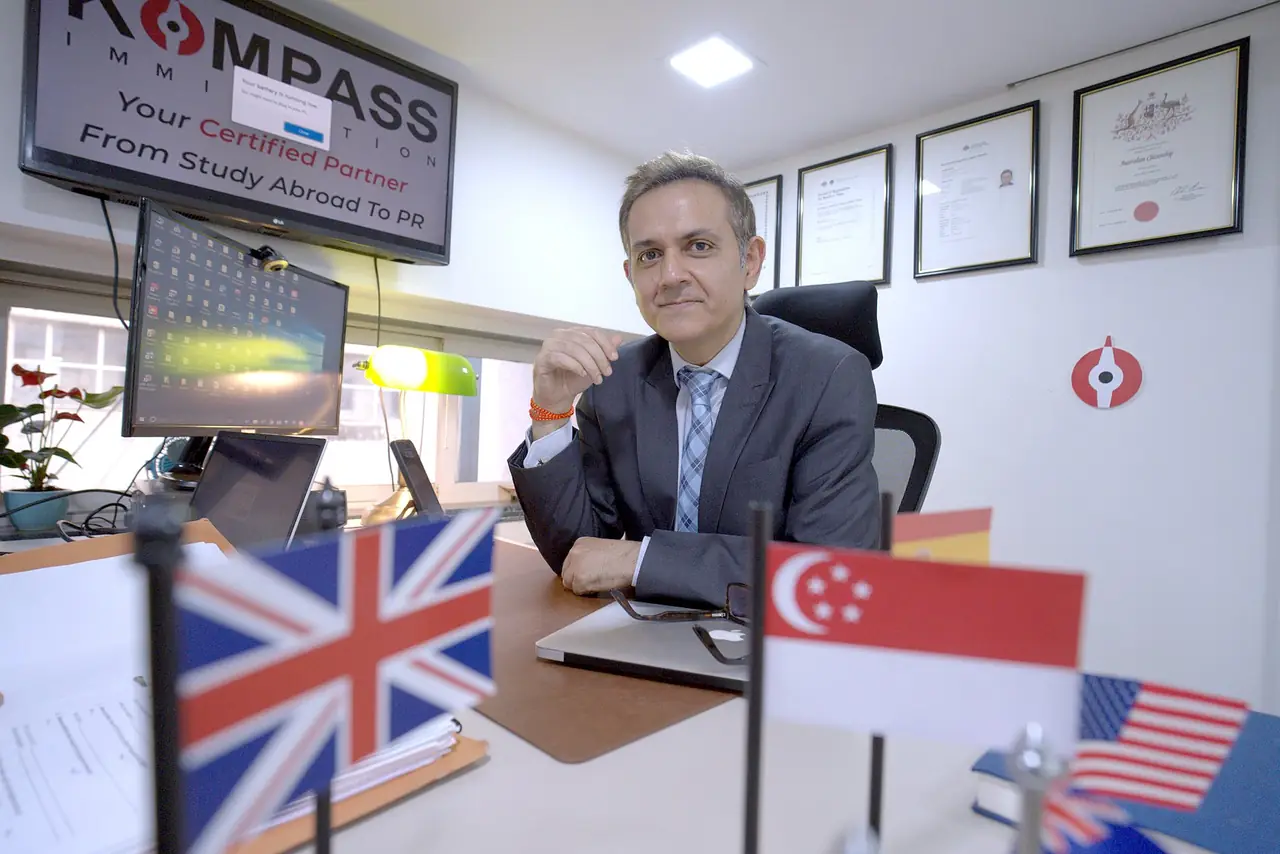
Sumit Kumar
Chartered Accountant & Australian Registered Migration Agent · MARN 1803385
I migrated from India to Melbourne as a skilled migrant in 2005 and became an Australian citizen in 2010, so I know first-hand what it takes to rebuild a career and a life in a new country — the paperwork and the waiting, and also the job search, the loneliness and the pressure of starting over far from home. Since 2013 I have advised individuals, families and businesses on migration and cross-border moves, combining migration casework with a Chartered Accountant's view of tax, funds and business structure.