Key takeaways
- On 10 November 2026 IRCC set out a time-limited 2027 measure to give PR to people who are already in Canada.
- It covers up to 100,000 workers in Canadian communities and their families, and up to 45,000 spouses, partners and dependent children of citizens or PRs living in Canada.
- It also covers remaining Hong Kong and Ukraine pathway applications, and up to 12,600 people already found eligible on humanitarian grounds.
- IRCC says it does not create new programs or reopen closed pathways, and applicants do not need to contact IRCC. Details for workers were not in the release.
Canada’s new levels plan for 2027–2029 includes a one-off push to give permanent residence (PR) to people who already live in Canada. IRCC has now put numbers on who is in it. For Indians on work permits or in Canada with a Canadian partner, this is worth understanding.
| Group | Up to |
|---|---|
| Workers in Canadian communities and their eligible family members (with provinces and territories) | 100,000 |
| Spouses, partners and dependent children of citizens or PRs living in Canada | 45,000 |
| Hong Kong pathway applications still waiting (pathways closed to new applicants in August 2026) | 32,000 |
| Ukraine Family Reunification Pathway applications still waiting (closed October 2024) | 18,800 |
| People already found eligible for PR on humanitarian and compassionate grounds | 12,600 |
These are IRCC’s “up to” figures. The release does not give one combined total. Earlier reports of the budget mentioned up to 200,000 people already in Canada moving to PR, so treat the group numbers above as the official breakdown and any single total with care.
Why it matters for Indian readers
- Many Indians in Canada are workers or spouses of workers. The 100,000 workers group is the biggest, but IRCC has not said who qualifies or how selection works.
- If your spouse or partner is a Canadian citizen or PR and you live in Canada, you may fall in the 45,000 spouses group. Spousal sponsorship rules still apply.
- IRCC says these people are already in Canada, so they are not “net new arrivals”. The government presents it as a way to settle people already contributing.
What this is not
- It is not a new application you can file today.
- It does not reopen the Hong Kong or Ukraine pathways.
- It does not guarantee PR for anyone.
- It is not a reason to pay an agent. Nobody can sell a place in this measure.
What to do now
- Keep your work permit, job letters, payslips and tax records in order.
- Check where you stand today on Express Entry and provincial programs. These remain the main routes.
- Watch IRCC’s news page for the worker details. We will update this post when they appear.
- If you are not sure which group you might fit, book a short call before you apply anywhere.
See where you stand today
Check your CRS score before choosing a route.
This post is based on IRCC’s news release of 10 November 2026. Final rules and selection details have not been published.
General information only, not advice for your situation. Rules, fees and deadlines change; we confirm what applies at your consultation.
Frequently asked questions
What did IRCC announce on 10 November 2026?
How many workers are covered?
Do I need to apply or contact IRCC now?
Is this a new immigration program?
Is the total 200,000?
Official sources
General information only, current at the date shown. It is not immigration advice for your circumstances. Information on this site is general guidance only and not legal, migration or investment advice. Rules, fees and occupation lists change frequently — always confirm current requirements with the relevant government authority before acting.
Found this useful? Share it
Who will assist you
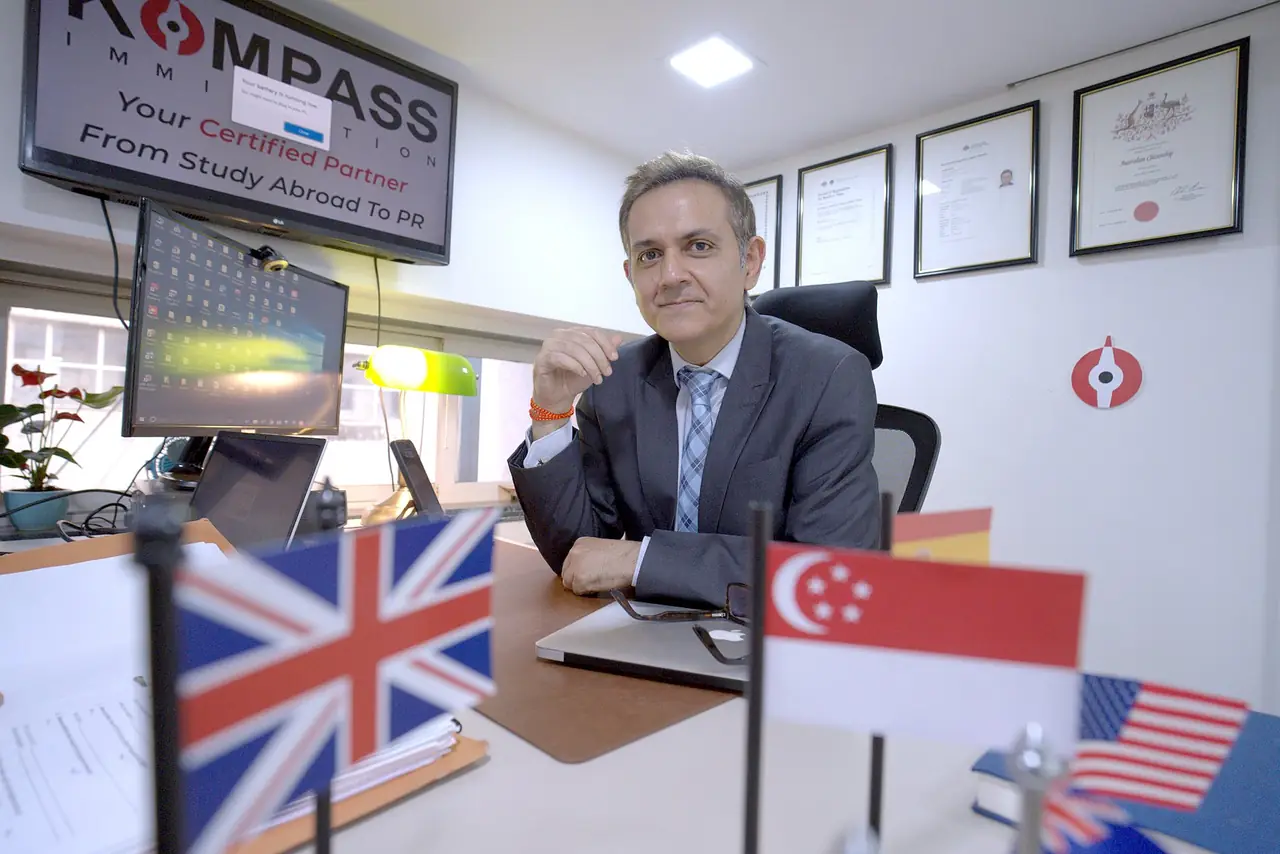
Sumit Kumar
Chartered Accountant & Australian Registered Migration Agent · MARN 1803385
I migrated from India to Melbourne as a skilled migrant in 2005 and became an Australian citizen in 2010, so I know first-hand what it takes to rebuild a career and a life in a new country — the paperwork and the waiting, and also the job search, the loneliness and the pressure of starting over far from home. Since 2013 I have advised individuals, families and businesses on migration and cross-border moves, combining migration casework with a Chartered Accountant's view of tax, funds and business structure.